
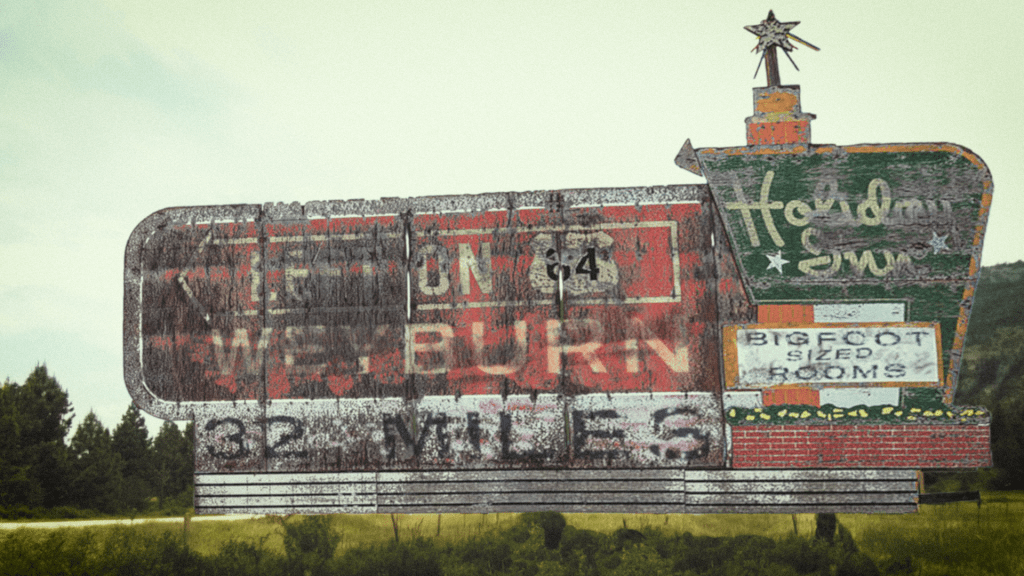
A Piece of Bigfoot History
Nestled in the quiet corners of Rockbridge County, Virginia, Weyburn may not be the bustling metropolis many think of when they imagine Eastern America, but for a brief, shining moment, this sleepy town became the epicenter of something truly unique. It was the late 1970s, and Weyburn was about to earn a reputation far beyond its agricultural and lumber mill industries. This small town, with a population hovering just over 1,400 by the late 20th century, was about to be crowned the Bigfoot Capital of the East Coast.
At the heart of this peculiar fame was none other than the Weyburn Virginia Holiday Inn. The Holiday Inn, known for its comfortable rooms and roadside hospitality, was no ordinary stopover. It wasn’t just a place to lay your head after a long drive; it was a destination for Bigfoot enthusiasts, curious travelers, and even a few famous faces.
Bigfoot-Sized Rooms
For those driving through Weyburn on State Route 252, the Holiday Inn stood out with a bold and playful claim displayed on its sign: Bigfoot Sized Rooms. The catchy phrase captured the town’s whimsical embrace of the Bigfoot phenomenon, drawing tourists from across the country eager to experience a part of the East Coast’s most peculiar legend.
Bigfoot, that elusive creature of folklore, had become synonymous with the region. The sign wasn’t just a marketing gimmick – it was a nod to the town’s unshakeable association with the cryptid. Over the years, visitors, especially Bigfoot tourists, flocked to Weyburn, hoping to catch a glimpse of the elusive creature or, at the very least, to stay in one of those famed “Bigfoot-sized” rooms, which promised comfort, adventure, and perhaps even a touch of mystery.
The Rise of Bigfoot Capital
Weyburn’s claim to fame as the Bigfoot Capital of the East Coast began to take shape in the late 1970s when sightings of the creature in the surrounding forests began to stir the imaginations of locals and outsiders alike. Enthusiasts and researchers started to converge on Weyburn, eager to investigate the claims of Bigfoot sightings in the woods around the town. The nearby wilderness, with its thick, uncharted forests and rugged terrain, seemed like the perfect habitat for such a mysterious creature.
In 1979, a report surfaced that a local resident had witnessed a Bigfoot-like creature roaming the area, fueling even more curiosity. With the increasing number of Bigfoot-related events, conferences, and even expeditions, Weyburn found itself in the unique position of being the unofficial Bigfoot mecca of the East. The Holiday Inn played a significant role in this growing phenomenon, offering a comfortable and quirky place for visitors to stay while they ventured out in search of the legendary creature.
A Town with a Quiet Past
Despite its sudden burst into the limelight, Weyburn remained a small, tight-knit community throughout the years. The town, which had long relied on agriculture and the Shelby Lumber Company for employment, was no stranger to hard work and modest living. Life in Weyburn was simple, and the town had a reputation for its scenic beauty, quiet atmosphere, and family-friendly charm.
Before its Bigfoot fame, Weyburn had always been a rural haven. The picturesque landscape, dotted with farms and forests, provided the perfect backdrop for a quiet, rural existence. The town had a deep sense of tradition and community, with strong ties to the land and a hard-working spirit. Its close-knit nature meant that even as the town gained international attention for its Bigfoot sightings, it remained grounded in its roots, never quite shaking off the feeling of a hidden gem waiting to be discovered.
A Brush with Fame
Perhaps the most fascinating aspect of the Weyburn Holiday Inn’s history was the famous faces it hosted over the years. One such visitor was country music legend Waylon Jennings, who, in the midst of his extensive touring schedule, chose to rest his head at the Holiday Inn. It’s said that Jennings, drawn to the mystery of the Bigfoot culture that surrounded the area, made a brief stop during one of his tours in the late 1970s. His stay at the Holiday Inn cemented the inn’s reputation as a place where even the stars could rest in the shadow of the Bigfoot legend.
While Weyburn may have been a small town with a humble population, its status as a Bigfoot hub drew not only tourists but also those seeking to experience the place where the legend was alive. Whether it was the allure of the unknown or the magnetic pull of the Bigfoot myth, people from all walks of life came to Weyburn hoping to find answers – or simply a place to be part of the story.
The Legacy Lives On
Though the Weyburn Virginia Holiday Inn is no longer in operation, and the Bigfoot fever that once gripped the town has faded, the legend remains a treasured part of Weyburn’s history. The memories of that iconic sign – Bigfoot Sized Rooms – and the many who passed through its doors, remain a fond piece of the town’s charm.
Today, Weyburn is a quiet reminder of a time when the town’s fame was tied not to the usual small-town industries of farming and lumber, but to a legend that captured the imagination of people everywhere. The Holiday Inn, now a part of the past, continues to live on in the stories shared by locals and visitors alike – and, of course, in the myths and mysteries of Bigfoot that will never quite fade from the folklore of this small but unforgettable town.
So, if you ever find yourself traveling through the northwest part of Rockbridge County, keep an eye out for remnants of Weyburn’s curious past. And who knows – you might just find a story or two about the time Bigfoot really did put Weyburn on the map.
Watch the Weyburn documentary now streaming on amazon:
https://www.amazon.com/Town-That-Cried-Bigfoot/dp/B0DXDM6RLN

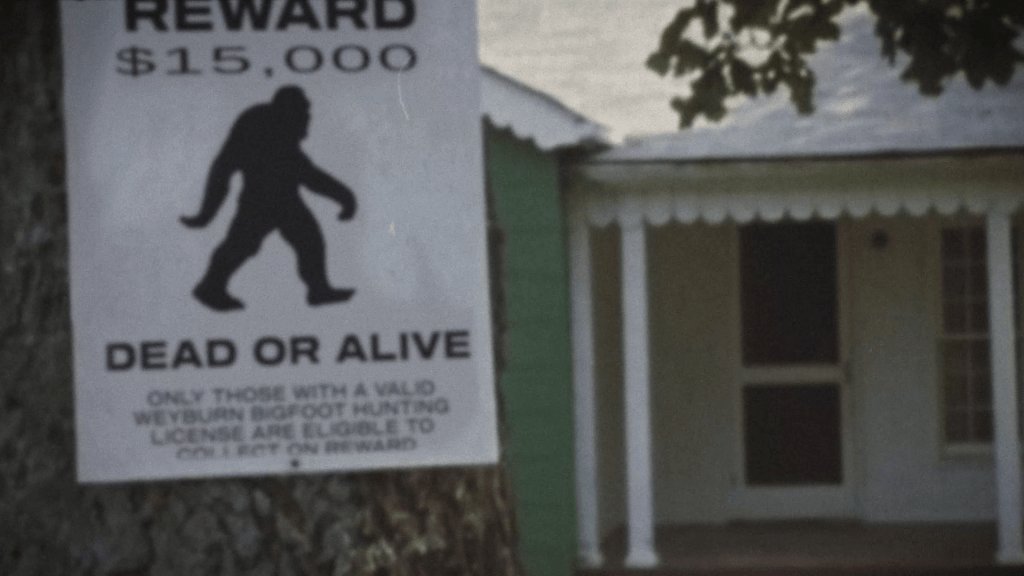
 Weyburn Virginia